
Why Eastern Bluebirds Need Our Help: What We Learned from a Local Conservationist
Meet Jim, Georgia's Bluebird Guy
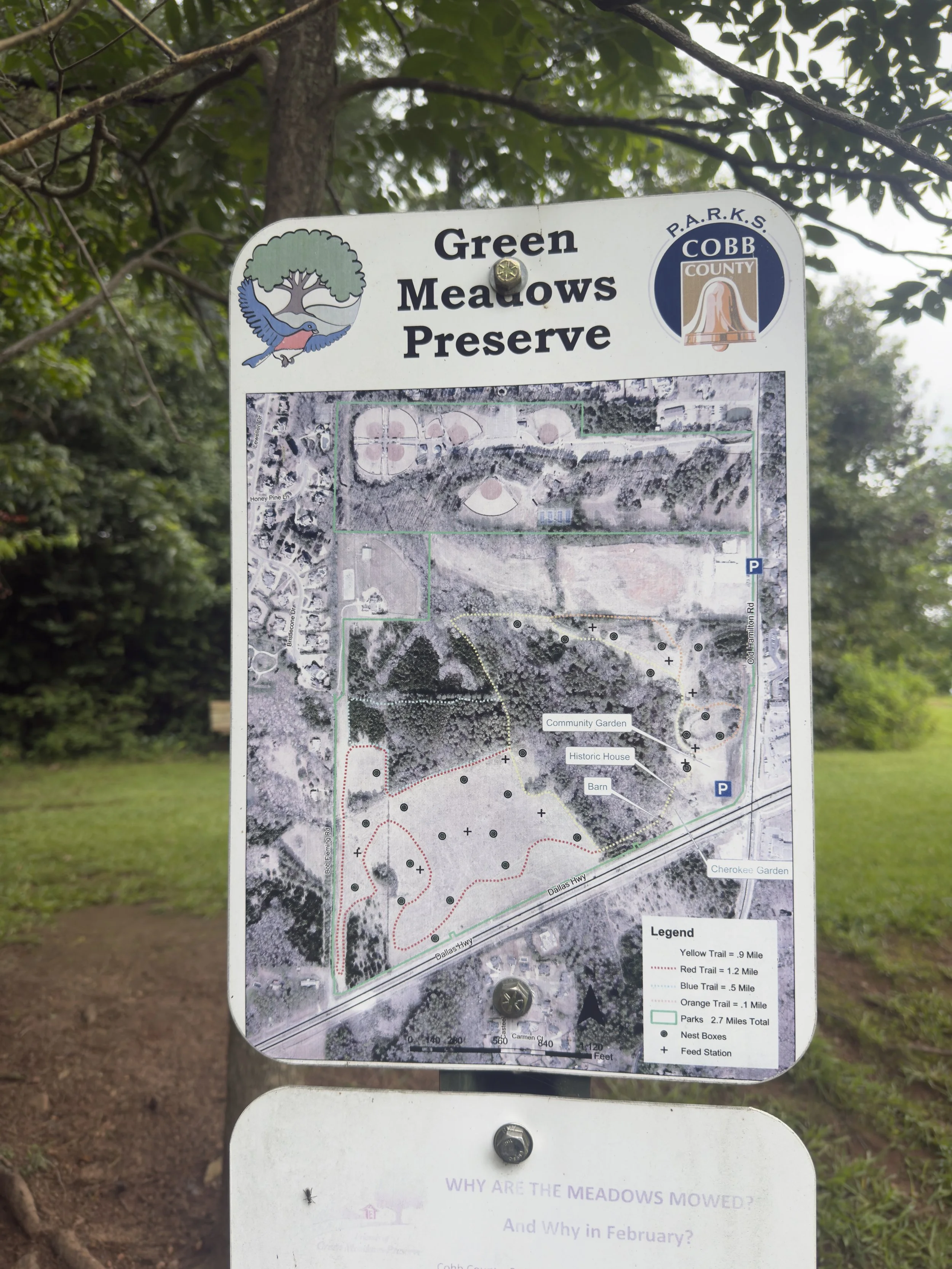
This past week, we had the honor of meeting Jim Bearden, a local bluebird conservationist. Currently, he volunteers his time (and knowledge) at Green Meadows Preserve in Marietta, GA. The history of the Green Meadows Preserve dates back to the trail of tears and the Cherokee Indians.
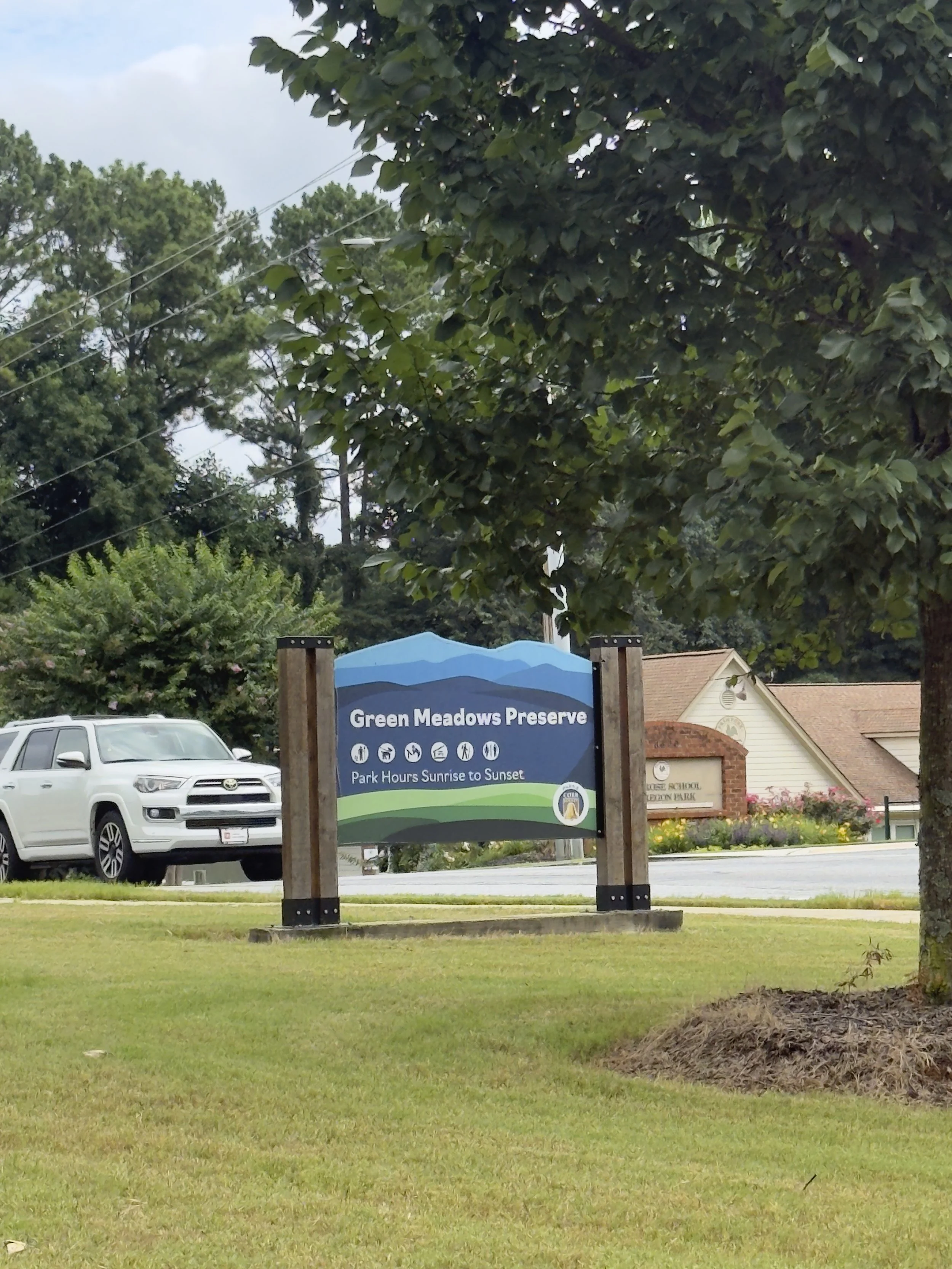
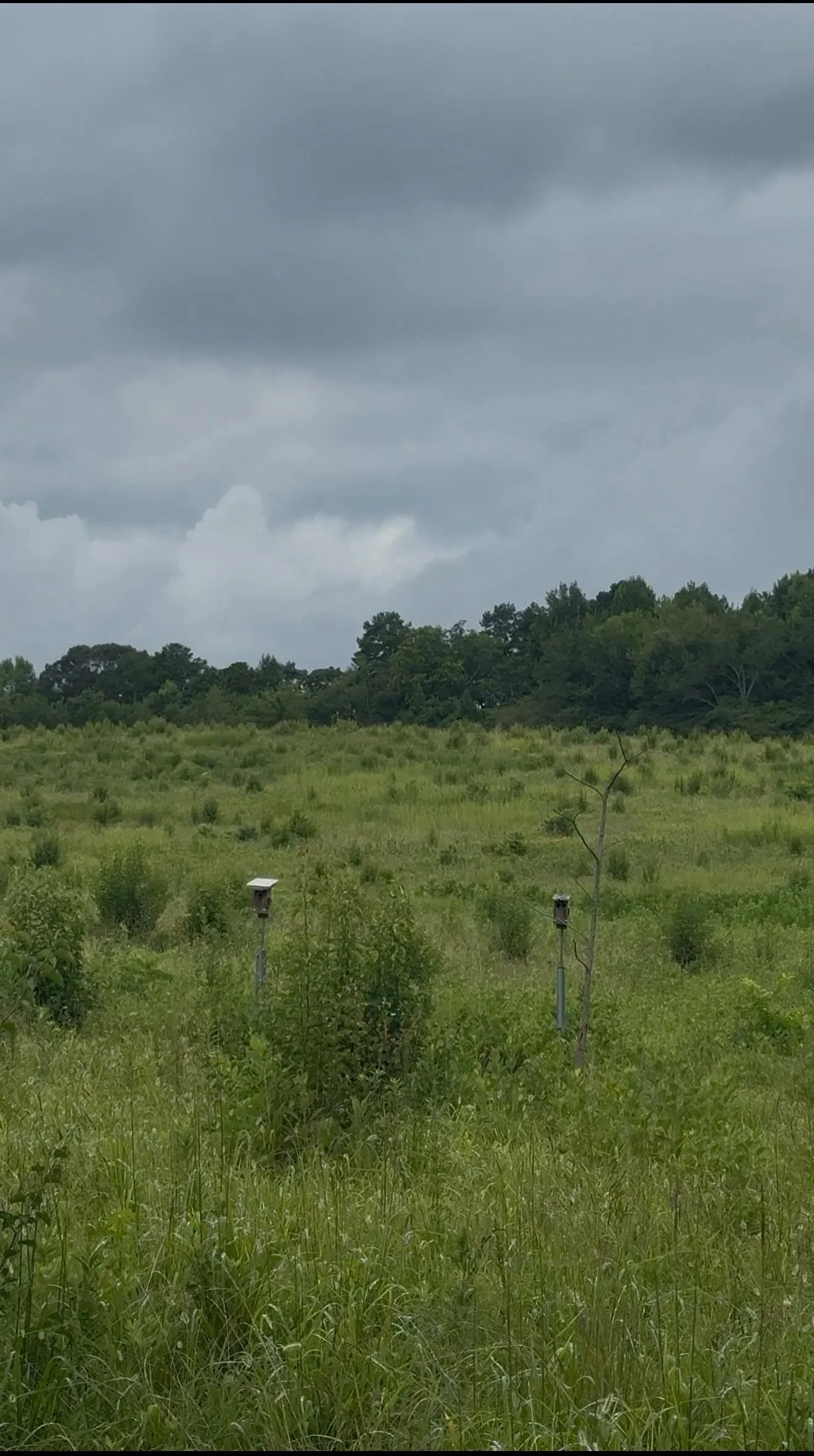
Back during the 2008 housing crisis, the land was originally set to be developed commercially, however the plans fell apart due to the economic downturn. Cobb county had the opportunity to purchase the land. Green Meadows Preserve currently has a community garden, 31 bluebird houses along the “bluebird trail”, walking trails and an outdoor classroom.
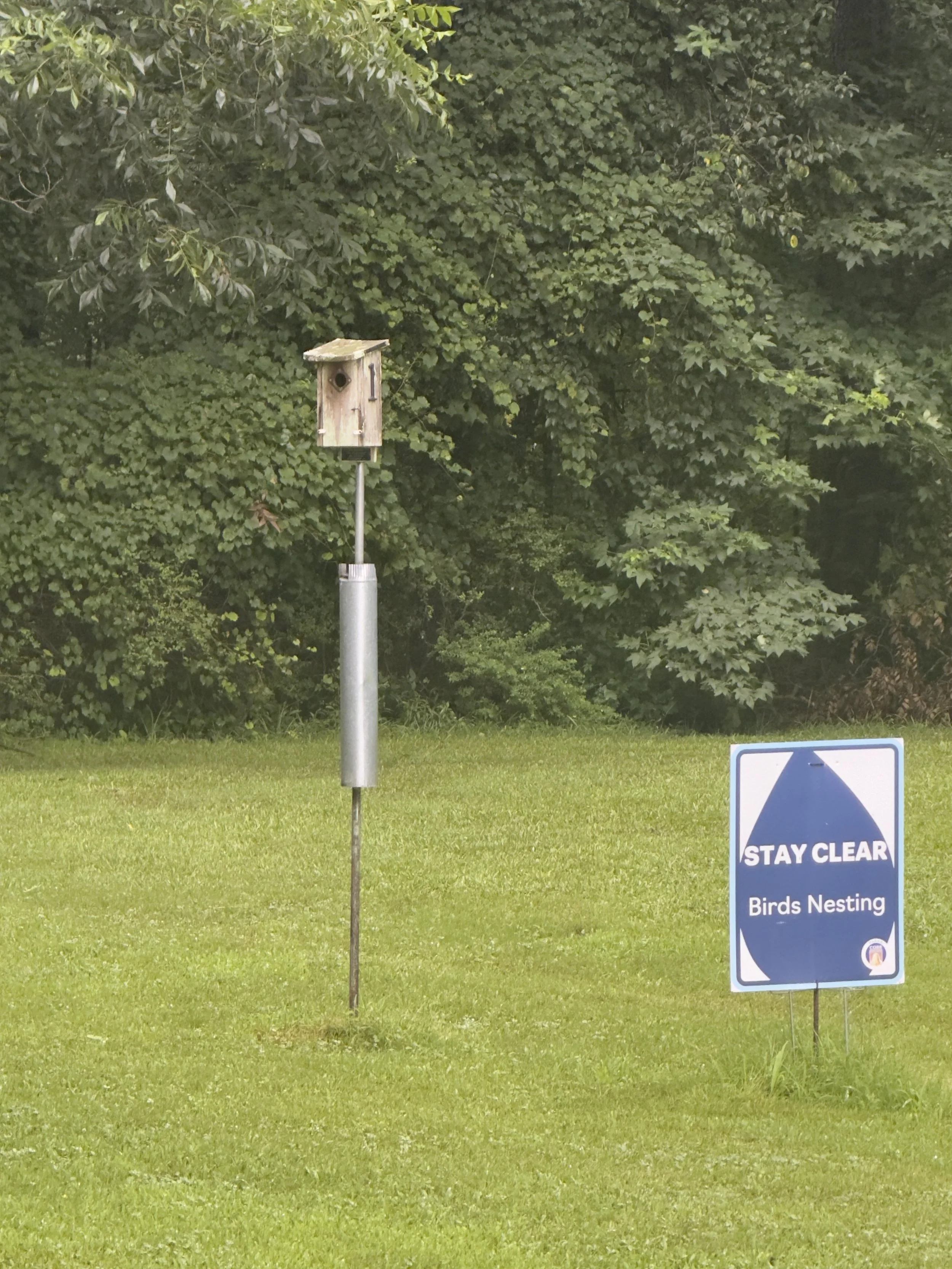
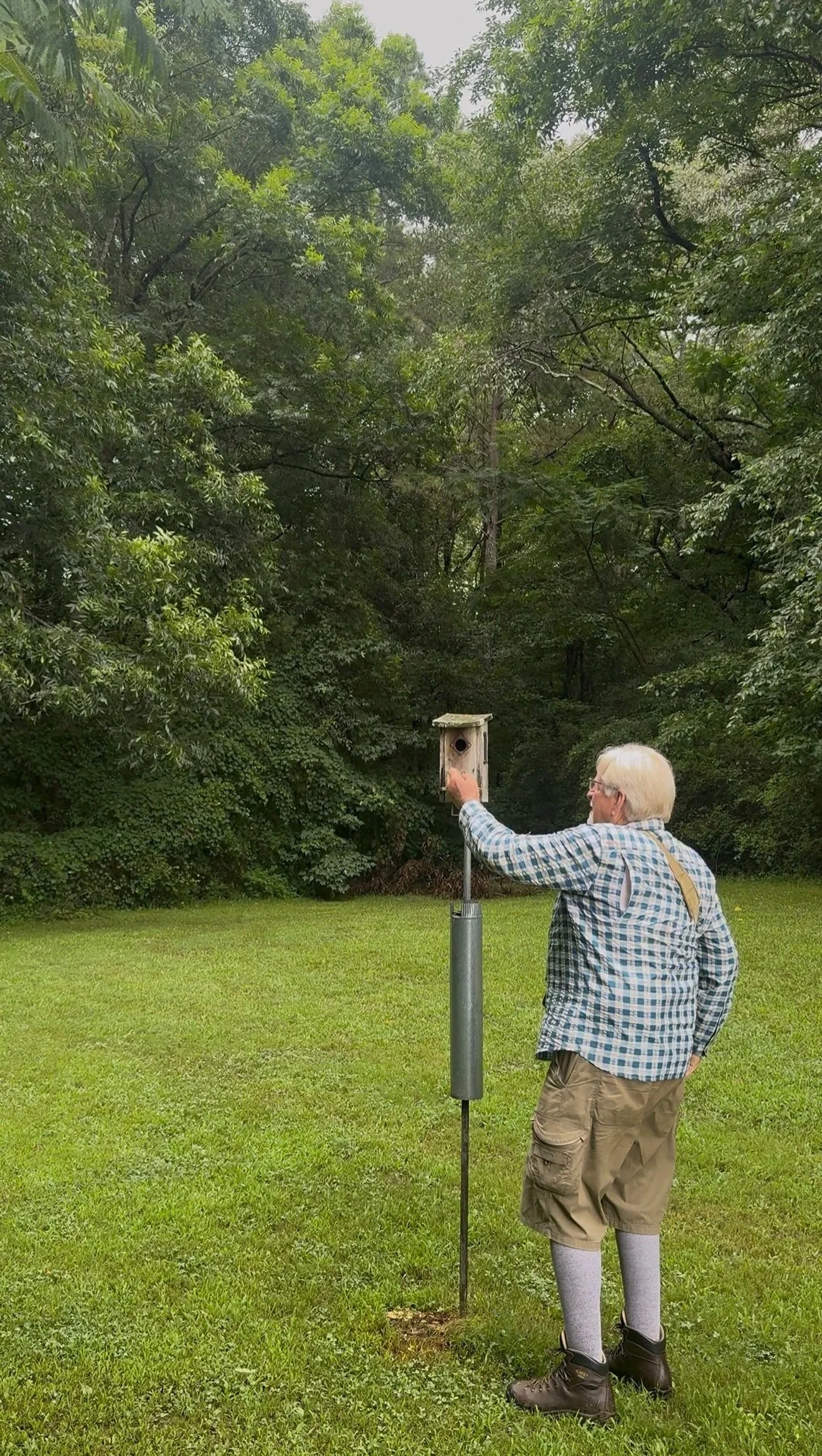
Jim put up the first bluebird house 14 years ago. He didn’t stop there, though. The bluebird trail now has 31 nesting boxes that support the local eastern bluebird population. Each one is free-standing on a pole and has a baffle to prevent predators like snakes from getting into the box. Jim has not only supported at the local county level, he has installed 500 boxes across the state of Georgia, including nesting boxes at senior communities, elementary schools, and other state land areas.
A Species on the Brink
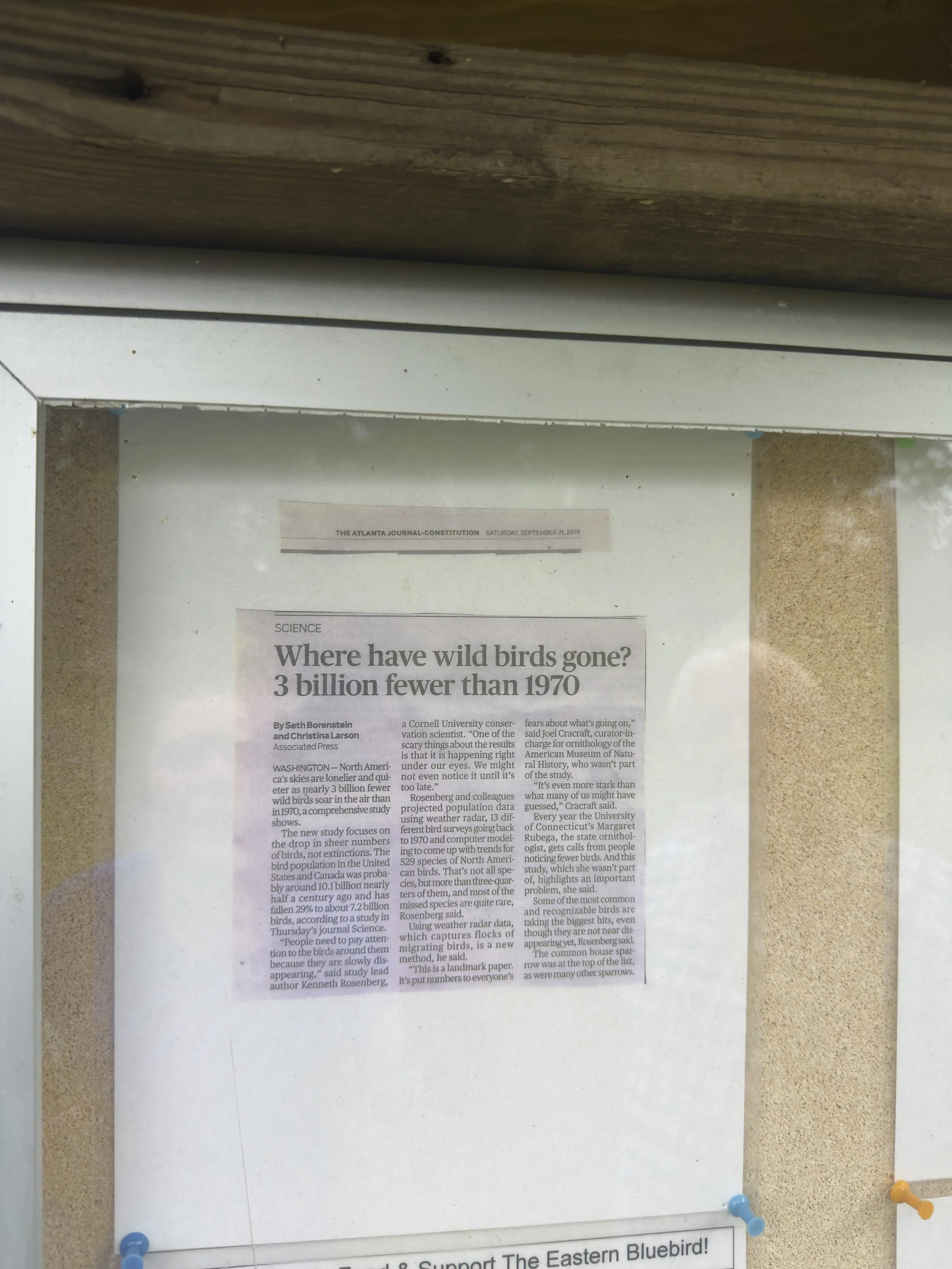
When we put our first nesting box up in our backyard back in 2019, we didn’t know what kind of birds we would get or what we were getting ourselves into. As our birding journey evolved, the eastern bluebird became a primary resident in our box. We learned a lot along the way including the best things to do a lot of what not to do. We also learned about how the bluebirds need our help. Populations were at all-time lows back in the early to mid 1900’s, falling by an estimated 90% from historic numbers.
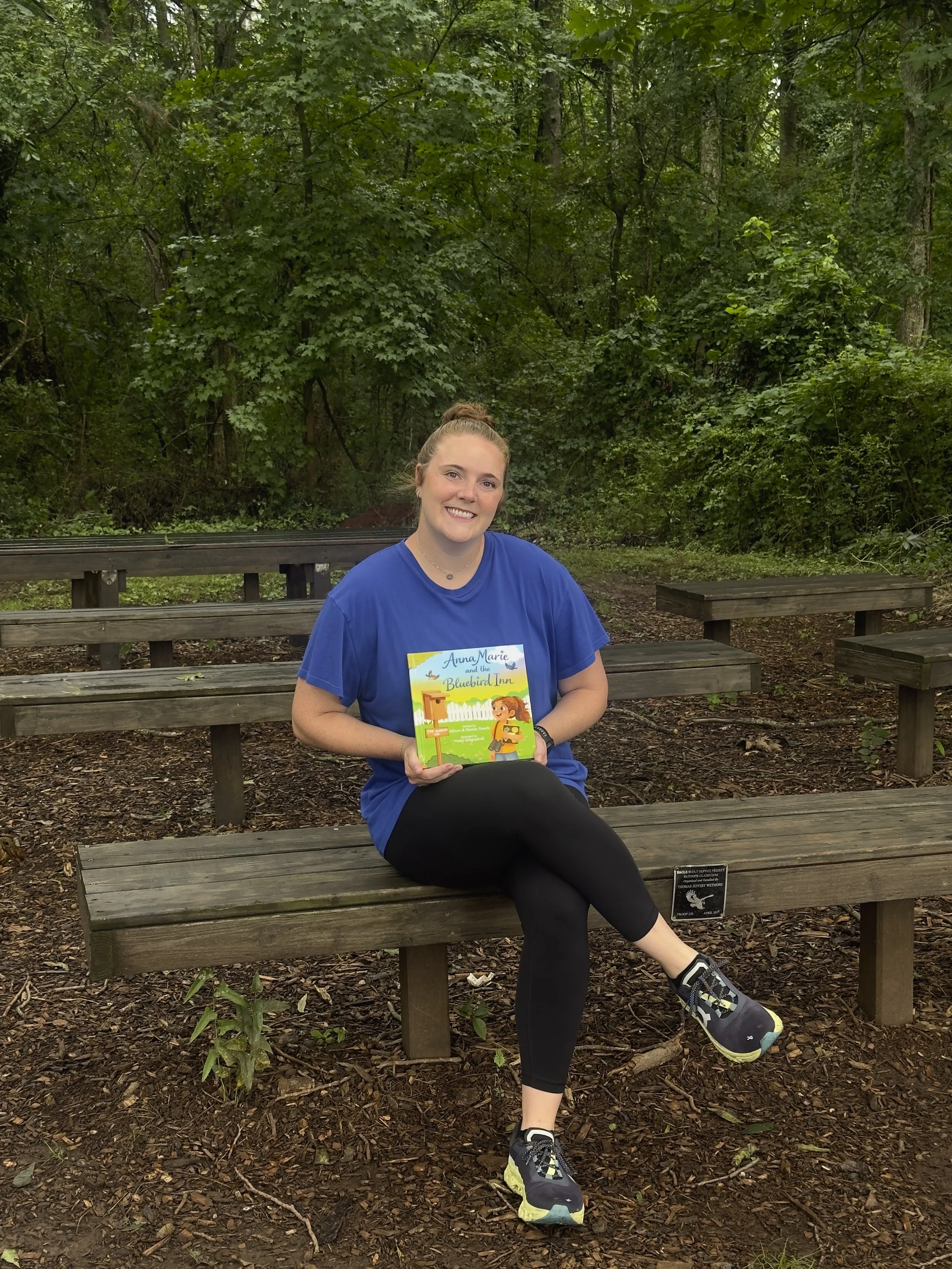
This is part of the reason why we felt called to write our book. Not only is bird watching a fun activity for all ages to be enjoyed together, but it also supports awareness for these beautiful birds.
What Nearly Wiped Out the Eastern Bluebird
So what happened that led to a struggling bluebird population? There have been a few factors that led to declining populations in the early 1900’s.
One of the biggest contributors was the increased use of DDT (a synthetic pesticide) to eradicate bothersome insects. These insects happened to be the bluebirds' primary food source. The dramatic drop in insects due to DDT use directly impacted bluebird populations, leading to sharp declines.
Another contributor has been the lack of native plant species to support native insects that the bluebirds feed on. Insect populations are unable to populate and thrive on invasive plants. Native plants are essential to support the growth of local bug and insect populations like caterpillars, beetles, spiders, and more.
The Comeback: How Nest Boxes Changed Everything
The introduction of nesting boxes by humans has been the largest contributor to the eastern bluebird population comeback. Eastern bluebirds are cavity nesters, meaning they nest in a sheltered enclosure. However, unlike some other birds, bluebirds can’t make their own cavities. This is where humans come in!
By putting up a nesting box in your backyard, you can directly support the bluebirds during nesting season. Nesting season often begins early spring and continues through mid summer. Bluebirds can raise multiple broods in one nesting season often with each brood containing 3-5 eggs. Think about all of those new baby bluebird additions to the population!
What Jim Taught Us About Native Plants
Alongside the addition of nesting boxes, we can also support bird populations by opting for native plant species instead of invasive species. Introducing more native plant species can support local bug and insect populations which helps give bluebirds as well as other birds a plentiful source of food.
Invasive species themselves aren’t inherently bad. It’s best to have a good balance, though.
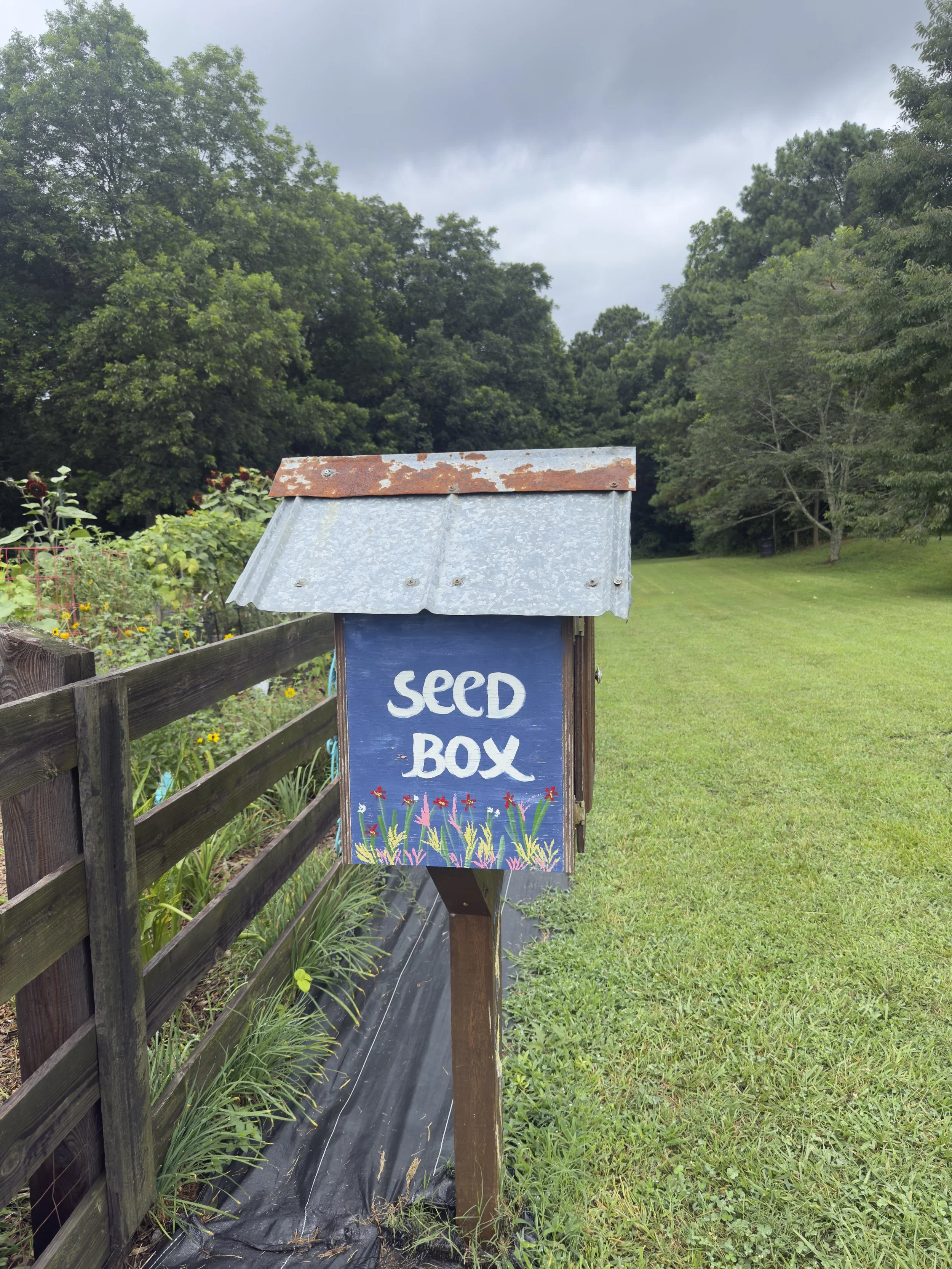
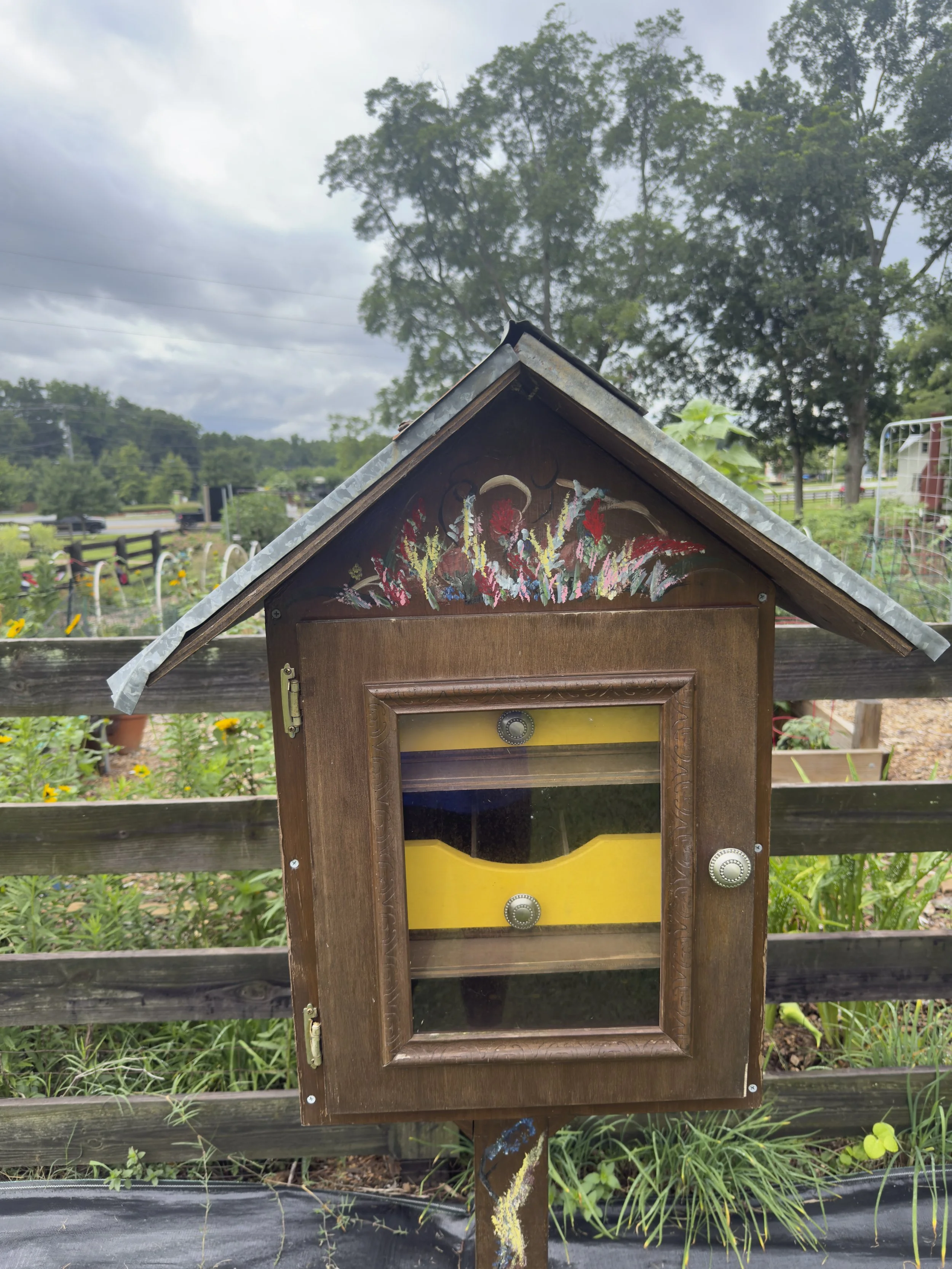
If you are local to the Marietta, GA area, stop by Green Meadows Preserve. They have a seed box where you can get free native plant seeds to plant in your own yard. You can find the seed box right by the community garden.
How You Can Help, Right in Your Own Backyard
What’s cool about bluebirds is it’s relatively simple (and fun) to support them! For starters, eastern bluebirds are found in almost all states east of the Rocky Mountains. That’s A LOT of states and thus a lot of bluebirds.
What key things can I do?
Install a nesting box- This is the best way you can help. Providing a safe place for bluebirds to nest is super important. Remember, though, don’t put the nesting box on a tree; it makes it easier for predators to get to the baby bluebirds. Installing the nesting box about 6 feet off the ground in an open area with not a lot of tree cover is the way to go.
Plant more native plant species to support local bug and insect populations. A native plant finder link is included in the resources below.
Install bird feeders. Bluebirds don’t typically go for standard birdseed. A mealworm feeder is ideal if you are trying to attract eastern bluebirds to your yard. Be warned, though, you might be filling this feeder up pretty frequently come summertime.
Want a deeper dive into attracting bluebirds to your yard? Check out our full guide: How to Attract Eastern Bluebirds to Your Backyard
Resources
Want to learn more about eastern bluebirds and how you can help?
Eastern Bluebird Population Support
Track Your Own Backyard Bluebirds- Cornell
