What to Feed Eastern Bluebirds
(And What Actually Works)

Bluebirds don't go after standard birdseed — so if you want to bring them in reliably, dried mealworms are your best friend. We've tried a few different feeder setups over the years and learned what works and what doesn't. Here's our honest breakdown.
Our Mealworm Feeder Switch
(The Before & After)
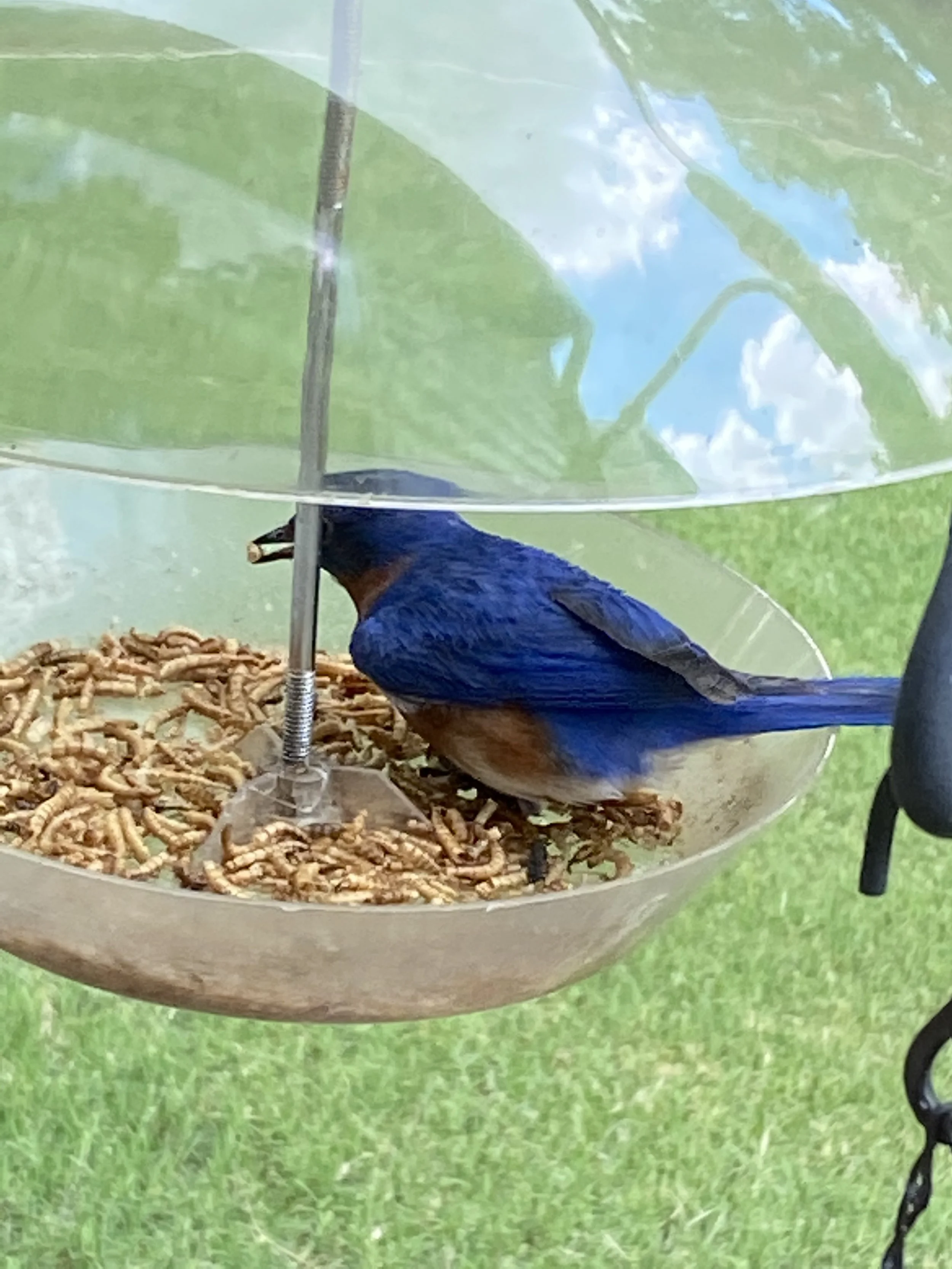
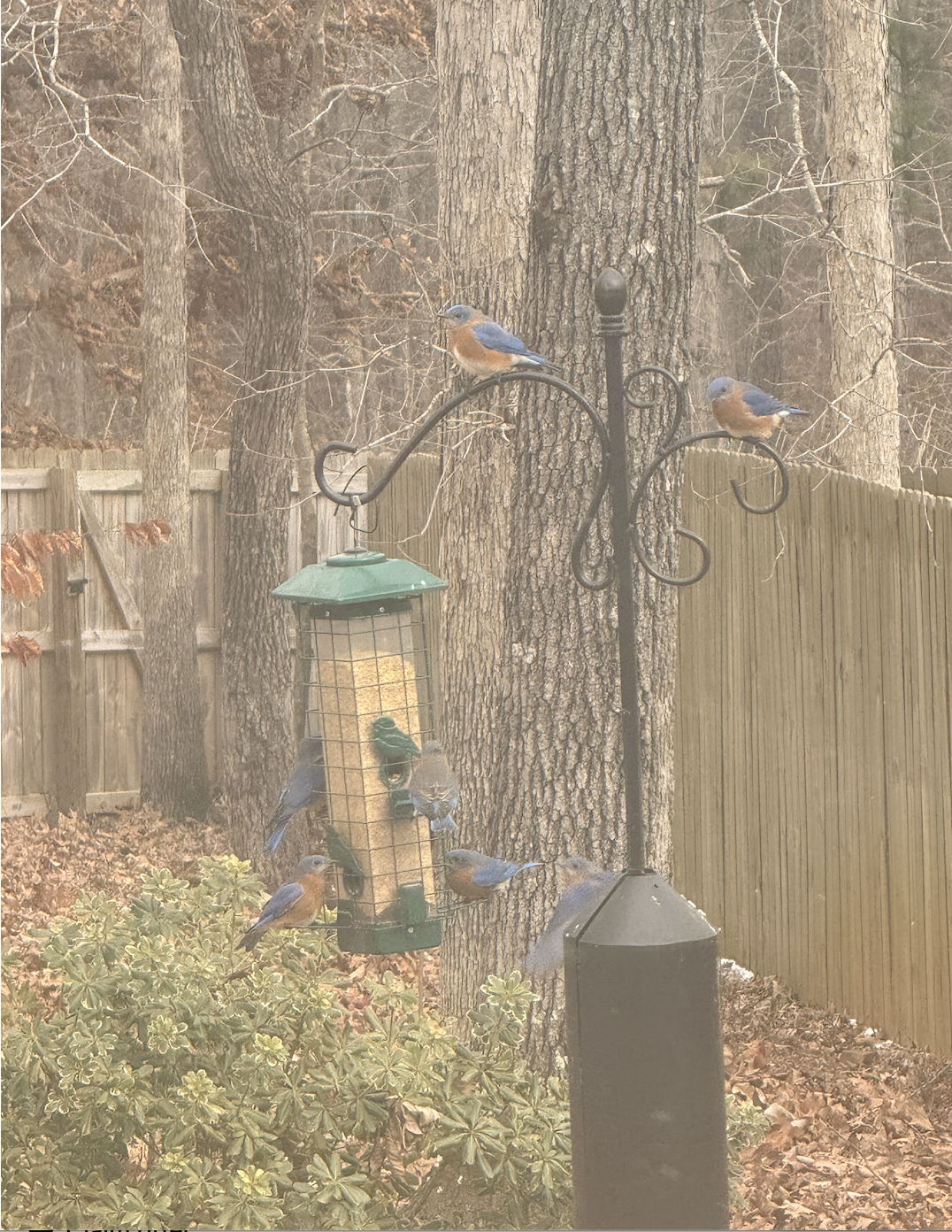
Our first mealworm feeder was an open dome style — it worked for a while until we realized mockingbirds were taking over and the mealworms were getting soggy in the rain. We switched to an enclosed feeder with small entry holes on each side — just wide enough for a bluebird to slip in for a snack, but too small for most other birds. It made a noticeable difference immediately. This is the one we LOVE and use every day.
(our old, open mealworm feeder)
Find it here → Dome Mealworm Feeder
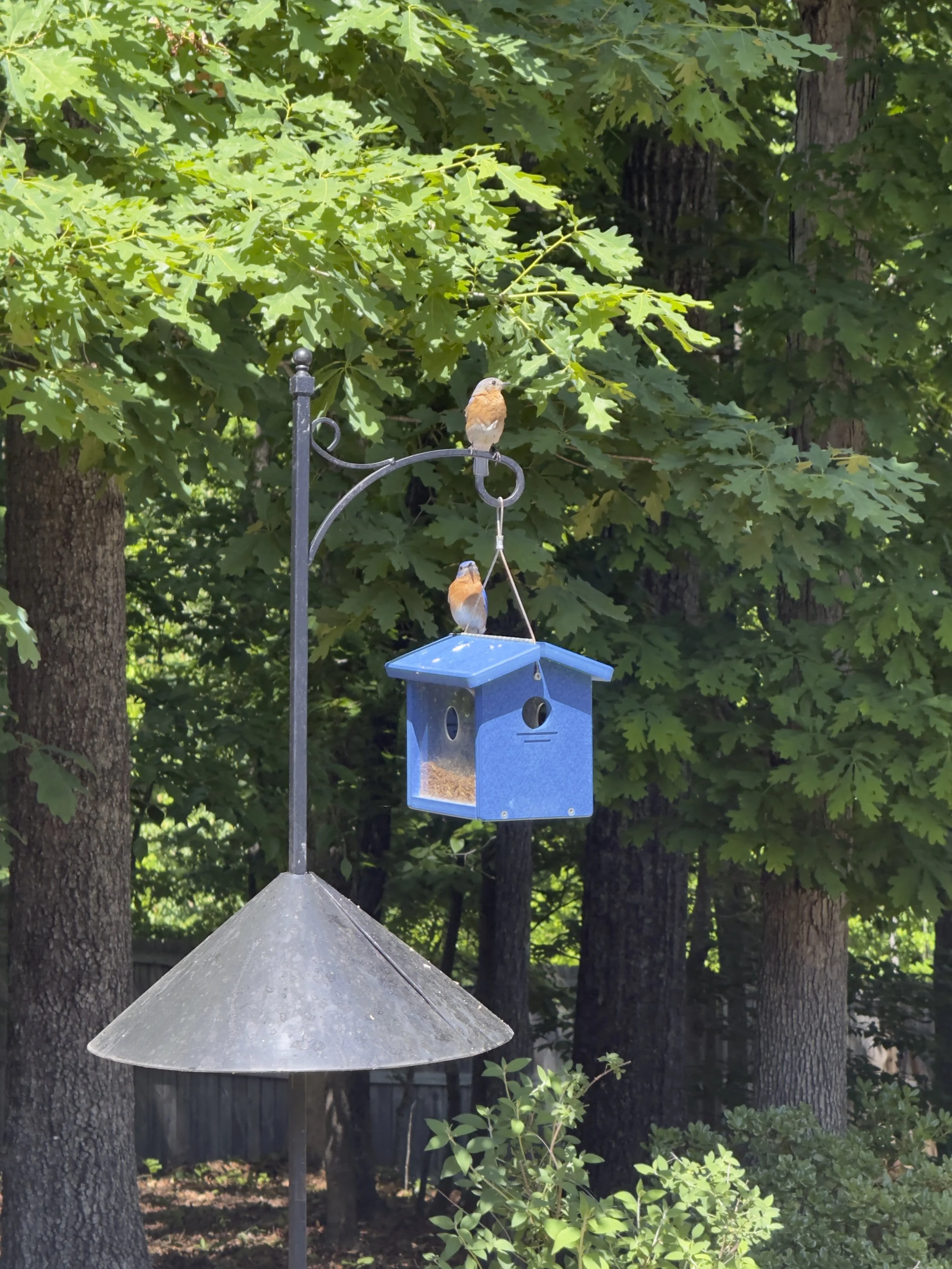
(our new mealworm feeder, we LOVE)
Find it here → Enclosed Mealworm Feeder
The Food
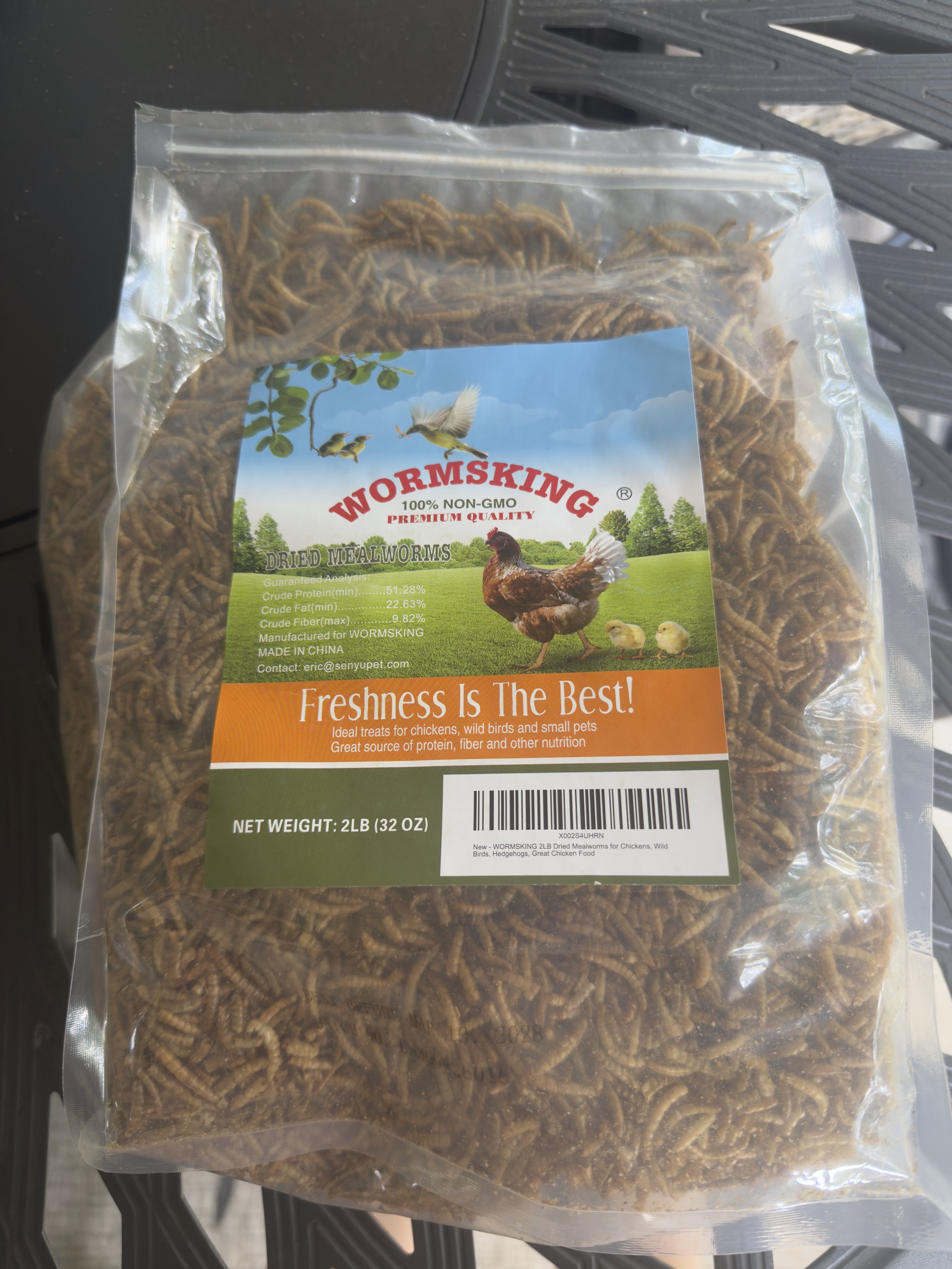
Dried mealworms are the single best thing you can put in your feeder. We always keep ours full — when the mealworms are out, the bluebirds notice immediately. One thing we discovered: a birdseed mix with dried blueberries actually caught their attention too, which surprised us. For the most part though, mealworms are what reliably brings them in every time.
Find it here → Dried Mealworms
Find it here → Birdseed mix w/ dried blueberries
Never Miss a Visitor
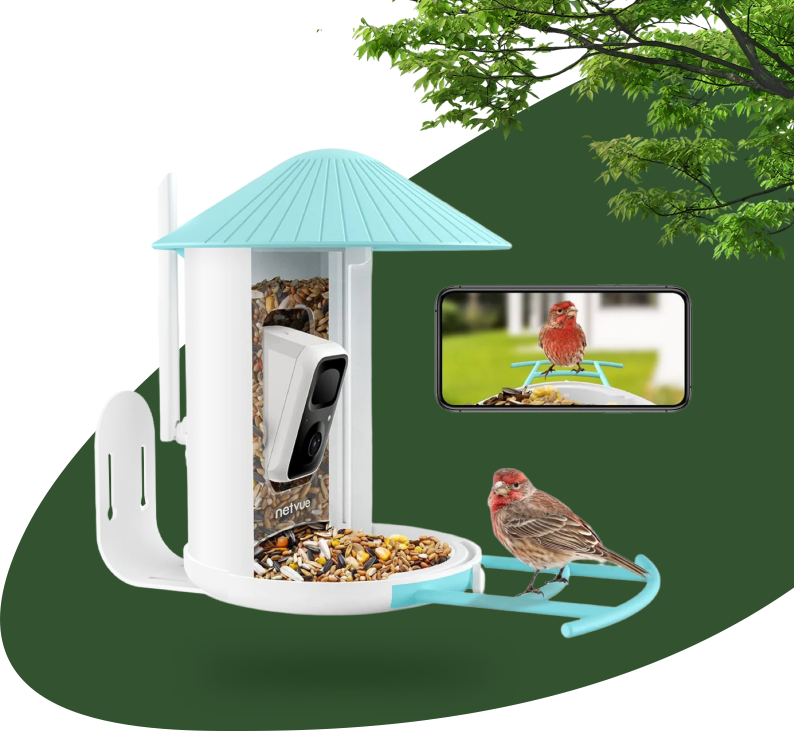
One thing we've been eyeing for our own backyard collection is the Birdfy smart feeder — a camera-equipped feeder that IDs birds automatically and records every visit. Set it up once and let the discoveries come to you.
Check it out here → Birdfy Birdfeeder Camera
This page contains affiliate links. We may earn a small commission if you purchase through our links, at no extra cost to you."
Next step: add a camera to watch the magic from inside
Back to the full setup guide
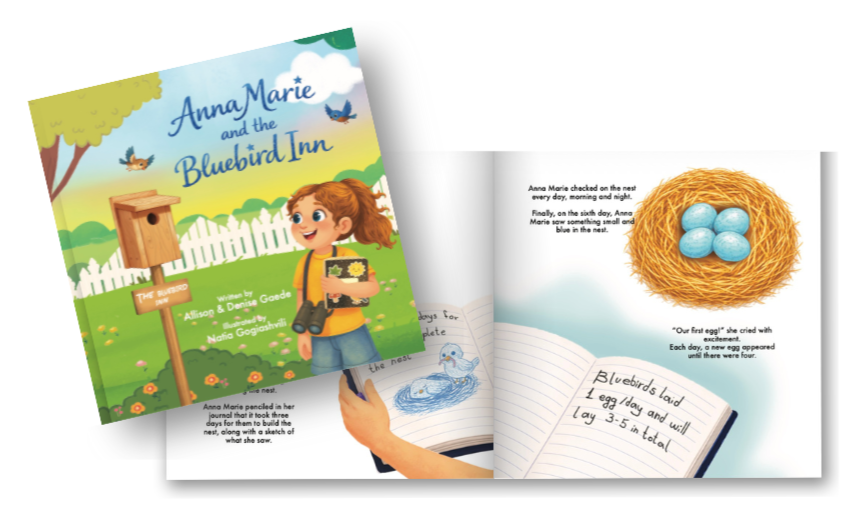
Have little ones watching with you? Check out our book